11-25

In 2026, we will travel to the future together, with the establishment of the Manshan Island team by Guochuang headquarters and Suzhou branch
From November 21st to 23rd, 2025, Guochuang Law Firm organized its headquarters and Suzhou branch colleagues to conduct a three-day autumn team building and business exchange activity on Manshan Is..
11-19
KHOR SEE LIN, Senior Partner of YEOH MAZLINA&PARTNERS Law Firm, Visited Shanghai Guochuang Law Firm
On November 19, 2025, Lawyer KHOR SEE LIN, Senior Partner of YEOH MAZLINA&PARTNERS Yangma Law Firm, visited Shanghai Guochuang Law Firm. Chen Min, Director of Shanghai Guochuang ..
11-11
MMALATIN CEO Mr. Diego Martinez Bernie visits Shanghai GuoChuang law firm
On November 6, 2025, Diego Martinez Bernie, CEO of MMALATIN, visited a law firm in Shanghai. Chen Min, Director of Shanghai Guochuang Law Firm, Ji Xin, Partner, and Li Runxuan, Legal Assist..
At present, the disputes arising from the promotion of housing renovation and installation of elevators in old residential areas that the author is handling are of various types. Here, the author uses the subject of the lawsuit as the classification standard for further analysis:
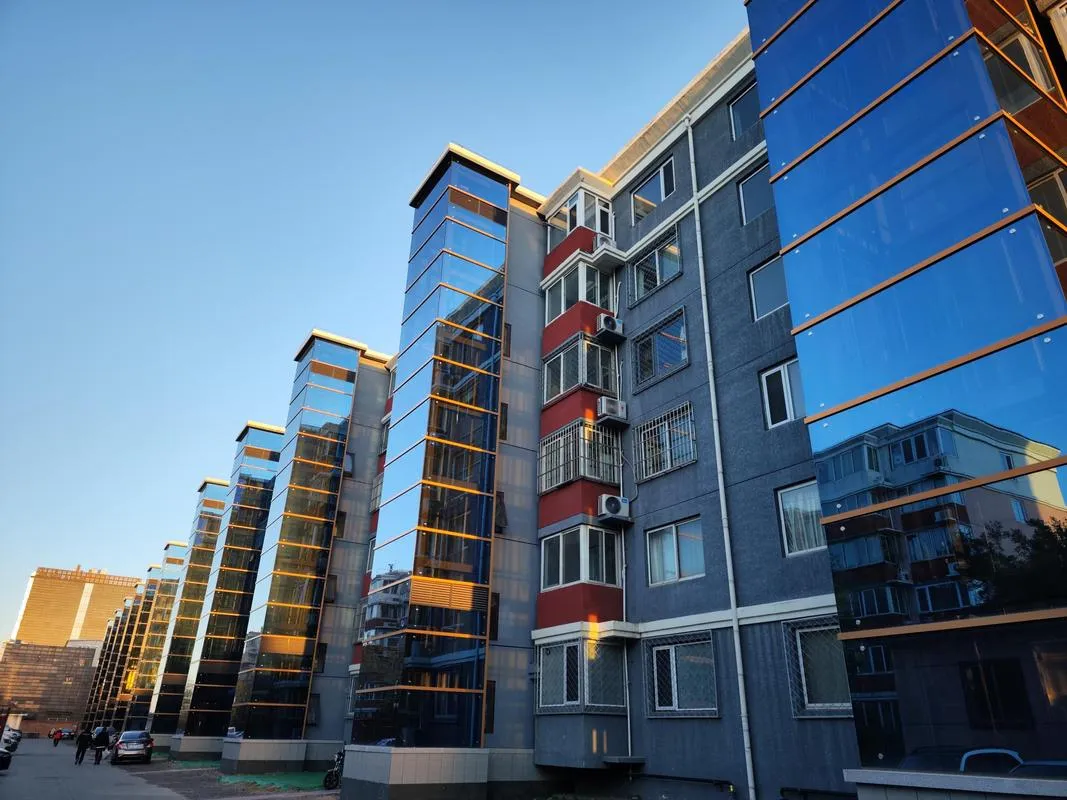
1、 Residents and Owners' Committee
Due to the installation of elevators, it is necessary to install elevator shafts next to the entrance of the building by laying foundations. This behavior should be considered as occupying the common parts of the residents in the community. Therefore, the homeowners' committee needs to convene a owners' meeting to make a resolution on this matter, which is commonly known as "one levy".
After the "first levy" is passed in accordance with Article 278 of the Civil Code and the relevant proportion provisions of the "Notice on Adjusting the Voting Proportion of Owners Who Install Elevators in Existing Multi story Residential Buildings in This City", the homeowners' committee should conduct a "second levy" inside the building that intends to install elevators, and consult whether the owners or lessees inside the building are willing to install elevators.
Due to the fact that the "first levy" and "second levy" mentioned in the above process are both carried out by the property owners' committee, residents often file a lawsuit for the "owner's revocation right" against the "first levy" and "second levy" in practical operation. The points of dispute in this process can be summarized as "whether the rules of procedure of the owners' meeting are legal and compliant", "whether the votes represent the true intentions of the owners or tenants", "whether there are repeated opinions from residents after the vote", and "whether the various deadlines during the consultation period are met".
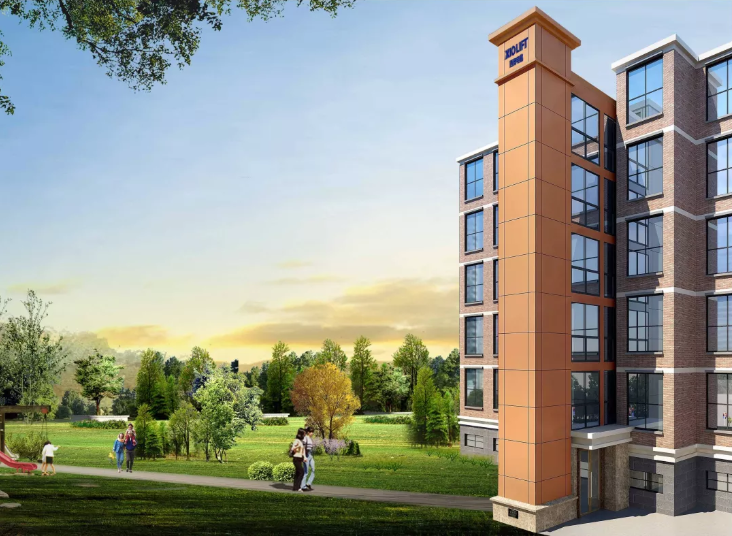
2、 Residents and elevator operators
Due to certain historical legacy issues in old residential areas, many buildings are too close to each other, too close to the community wall, or share outdoor platforms or external stairs between buildings. Therefore, the installation of elevators during the construction process can easily cause certain impacts on residents in other buildings in the vicinity, leading to complaints of "infringement" from residents in other buildings to the elevator construction agent or contractor.
However, in the above-mentioned disputes, residents, as the party filing the lawsuit, have a significant burden of proof. Due to the difficulty in querying the relevant design and planning drawings of the old community, it is difficult for them to prove that the involved walls, outdoor platforms, and external stairs are legal buildings. And the construction agent generally follows the design drawings approved by the local housing office and other administrative departments for construction, so the legality of their construction behavior has been endorsed to a certain extent and is difficult to overturn.

3、 Internal residents
Internal disputes among residents are the most common type of disputes that the author deals with when dealing with elevator installation. They usually occur during the construction process of elevator installation projects, where some residents in the building who hold opposing views obstruct the construction. Therefore, other residents in the building file a "tort" lawsuit against the obstructing party.
In the litigation of such disputes, obstructing the construction party often raises objections to matters such as voting and publicity during the "first and second expropriation" processes. However, in current practice, judges will explicitly state that they need to file a separate lawsuit for "owner revocation rights" and give a certain time limit. If the obstructing party does file a separate lawsuit, the "infringement lawsuit" will be suspended first. On the contrary, if the obstructing party fails to file a separate lawsuit within the deadline, the judge will not adopt the obstruction party's defense of the legality of its actions based on the illegality of the "first levy" and "second levy" during the trial of the "infringement lawsuit".
The above is the analysis of the common types of legal disputes that the author currently deals with when adding elevators to old residential areas.

Lawyer Sun Li graduated from the School of International Finance Law at East China University of Political Science and Law. He currently serves as a member of the legal advisory team at the Judicial Bureau of Changzheng Town and a lecturer at the Training Center of the Law School of East China Normal University. He has also served as a member of the legal advisory team at the Education Bureau of Jing'an District. Currently, most of his advisory units are deeply involved in the real estate and construction fields, and have participated in handling multiple foreign-related civil and commercial lawsuits